What Does An Event Planner Actually Do?
If you’ve ever wondered what an event planner actually does beyond “making things look pretty,” you’re not alone. Whether you’re planning a wedding in Knoxville, hosting a corporate event downtown, or organizing a milestone celebration, it’s easy to underestimate how much coordination goes on behind the scenes.
The truth? A professional event planner manages far more than décor. From logistics and budgeting to timelines and vendor communication, an event planner ensures your event runs smoothly from the first idea to the final guest goodbye.
Here’s what that really looks like.
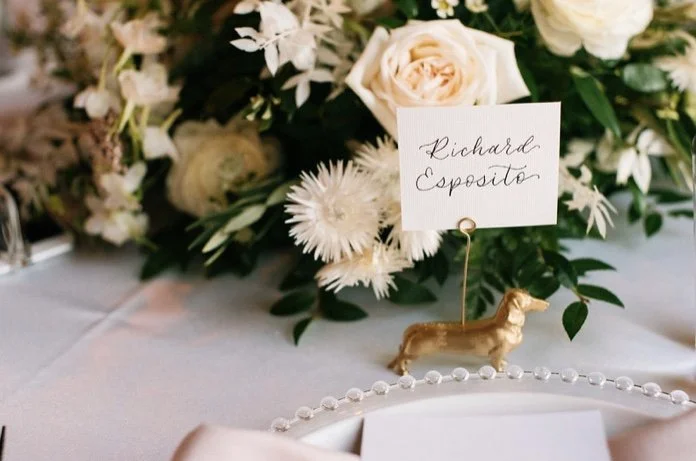
Photographer- Jennie Andrews
Planning Starts Long Before the Event Day
An event planner’s job begins months, sometimes a year or more, before your event.
In Knoxville, for example, popular venues fill quickly during peak seasons like spring and fall. A planner helps you:
Establish a realistic budget
Secure your venue early
Build a planning timeline
Prioritize what matters most
Instead of reacting to problems, planners create a clear roadmap. This prevents rushed decisions and costly mistakes.
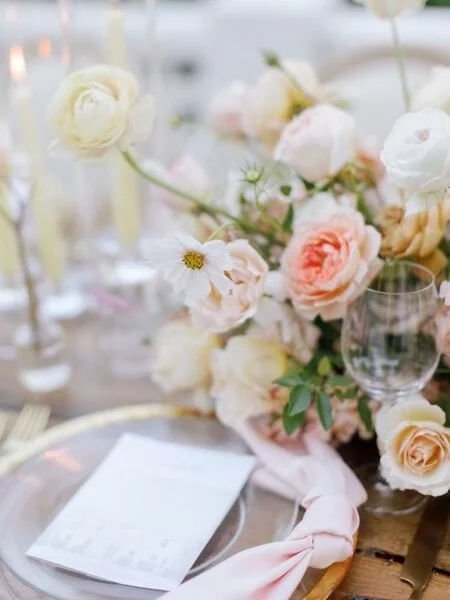
Photographer- Abigail Malone
Budget Management and Cost Guidance
One of the most valuable services an event planner provides is budget oversight.
Couples planning weddings often underestimate hidden costs like service fees, rentals, overtime, and seasonal pricing shifts. Corporate clients may not anticipate staffing needs or vendor minimums.
A planner helps you:
Allocate funds wisely
Compare vendor proposals
Track payments and deadlines
Avoid unnecessary upgrades
In my specific area of East Tennessee, pricing can vary significantly between venues in downtown Knoxville and more rural settings. A planner understands local market ranges and helps you make informed decisions.
Vendor Selection and Coordination
An event planner doesn’t just recommend vendors, they coordinate them.
This includes:
Photographers
Caterers
Florists
DJs or live musicians
Rental companies
Transportation providers
Instead of you fielding dozens of emails and phone calls, your planner manages communication, confirms contracts, and ensures everyone understands the event schedule.
Design and Event Aesthetic
Yes, design is part of the job, but it’s strategic, not just decorative.
An event planner helps:
Refine your theme or vision
Create cohesive color palettes
Recommend layout options
Balance visual impact with functionality
In Knoxville’s diverse event landscape…from rustic barn settings to modern downtown spaces…design choices need to work with the venue, season, and guest experience.
A fall wedding in East Tennessee might incorporate seasonal florals and warm tones, while a summer corporate event may prioritize shade structures and cooling strategies.
Good design supports the flow of the event, not just photos.
Timeline Creation and Logistics
This is where event planners truly earn their keep.
A detailed event timeline includes:
Vendor arrival times
Setup windows
Ceremony or program cues
Catering service timing
Entertainment transitions
Breakdown schedules
On event day, these logistics must run smoothly. Without clear coordination, small delays can cascade into larger issues.
For example, if a ceremony starts late during a summer evening event in Knoxville, you risk losing daylight for photography. A planner keeps everything on schedule.

Photographer- T&K Photography
Problem-Solving and Contingency Planning
Weather changes. Vendors get stuck in traffic. Equipment malfunctions.
An experienced event planner anticipates these risks and prepares backup plans.
In East Tennessee, weather is a real factor. Spring storms and humid summer afternoons require contingency strategies, especially for outdoor events.
A planner will:
Monitor forecasts
Coordinate tenting options
Adjust timelines as needed
Handle unexpected issues discreetly
The goal is simple: guests enjoy the event without noticing any behind-the-scenes adjustments.
Guest Experience Management
Events are about people.
An event planner ensures:
Clear signage and flow
Smooth check-in processes
Comfortable seating arrangements
Thoughtful transitions between segments
For weddings, that might mean coordinating ceremony seating and cocktail hour flow. For corporate events, it could involve managing registration tables and speaker transitions.
The guest experience should feel effortless — even though it’s carefully orchestrated.
Event Day Execution
On the day of your event, your planner becomes the central point of contact.
Instead of you answering vendor questions, troubleshooting issues, or checking the timeline, your planner:
Oversees vendor arrivals
Confirms setup accuracy
Directs staff
Manages the schedule
Handles last-minute adjustments
You get to focus on your guests and the moment.
For couples, this means actually enjoying your wedding day. For corporate clients, it means hosting confidently without operational distractions.
Do Event Planners Only Work on Weddings?
Not at all.
In Knoxville and throughout East Tennessee, event planners support:
Weddings
Corporate events
Nonprofit fundraisers
Private celebrations
Holiday parties
Milestone birthdays and anniversaries
The planning framework remains similar: define goals, manage logistics, coordinate vendors, and execute smoothly.
Why Hiring an Event Planner Matters
Some clients assume hiring a planner is an added expense. In reality, a planner often protects your budget, prevents costly mistakes, and reduces stress.
Events involve contracts, deadlines, moving parts, and coordination across multiple professionals. A planner ensures that nothing is overlooked.
Whether you’re planning a wedding overlooking the river or hosting a corporate gala downtown, professional guidance makes a measurable difference.

Photographer- T&K Photography
Frequently Asked Questions
Do I need a planner if my venue has a coordinator?
Most venue coordinators manage the venue itself, not your vendors, décor, timeline, or overall event design. A planner oversees the entire event.
How far in advance should I hire an event planner?
For weddings, 9–12 months is ideal due to seasonal demand. Corporate events may require less time depending on scale.
Can an event planner help with partial planning?
Yes. Many planners offer full-service planning, partial planning, or day-of coordination depending on your needs.
Do event planners save money?
They help you allocate your budget wisely, avoid unnecessary upgrades, and prevent costly errors.
Final Thoughts
An event planner does far more than style a space. They manage logistics, coordinate professionals, build timelines, anticipate challenges, and protect your experience from unnecessary stress.
Whether you’re planning a wedding, organizing a corporate event, or exploring event planning as a career path, understanding the scope of this role reveals why professional guidance matters.
When done well, the work is seamless and that’s exactly the point.