CREATING A STRESS-FREE WEDDING PLANNING CHECKLIST

Planning a wedding is exciting, but it can also feel overwhelming without a clear plan. Between venues, vendors, timelines, and guest lists, there are many moving parts to coordinate. A well-structured wedding planning checklist helps couples stay organized and enjoy the process rather than feeling rushed or stressed.
Whether you’re planning a large celebration or an intimate gathering with close family and friends, having a thoughtful checklist makes every step easier to manage. Below is a practical guide to building a checklist that keeps the experience smooth from the early planning stages to the wedding day itself.
START WITH YOUR VISION AND BUDGET
The first step in any stress-free planning process is defining what matters most to you. Before contacting venues or booking vendors, take time to discuss your vision as a couple.
Consider questions like:
What kind of atmosphere do you want for your wedding?
Are you imagining an indoor venue or an outdoor setting?
What time of year feels right for your celebration?
Establishing a realistic budget early also helps guide decisions moving forward. Knowing how much you want to invest allows you to prioritize elements like photography, catering, or decor without surprises later.
SECURE YOUR VENUE EARLY
Your venue sets the tone for the entire wedding and often determines your date. Once you have a general budget and guest count in mind, begin exploring venue options. Because popular venues tend to book well in advance, securing your venue early helps provide clarity for the rest of the planning process. Once the venue is confirmed, you can begin finalizing other vendors and building a detailed timeline.
BUILD YOUR VENDOR TEAM
A successful wedding relies on a team of professionals working together behind the scenes. After securing your venue, begin booking key vendors such as:
Photographer or videographer
Caterer
Florist
Entertainment or DJ
Rentals and decor providers
Each vendor plays an important role in shaping the overall experience for you and your guests. Booking early also helps ensure you have access to experienced professionals. Keeping a simple spreadsheet or checklist of contracts, deposits, and payment deadlines can make vendor coordination much easier.
CREATE A MONTH-BY-MONTH PLANNING TIMELINE
Breaking the planning process into smaller milestones keeps everything manageable. Instead of trying to tackle everything at once, a month-by-month timeline helps you stay on track.
For example:
9–12 months before:
Choose your venue, set your budget, and begin booking major vendors.
6–8 months before:
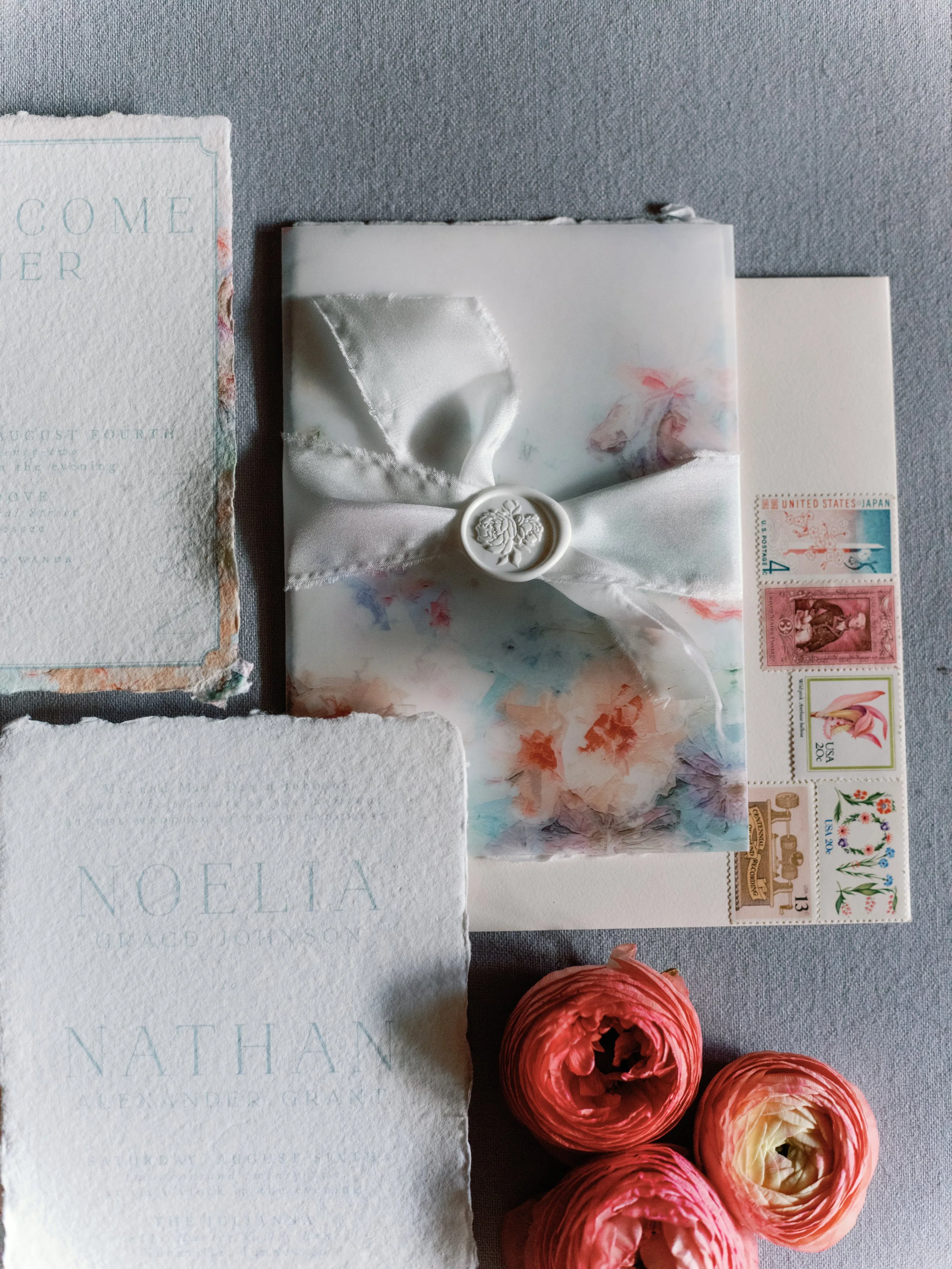
Finalize your guest list, order invitations, and begin discussing design elements.
3–4 months before:
Confirm vendor details, schedule tastings, and plan ceremony logistics.
1–2 months before:
Finalize seating arrangements, timelines, and final vendor confirmations.
Approaching planning in stages helps couples stay organized and avoid unnecessary stress.
FOCUS ON GUEST EXPERIENCE
While wedding planning often focuses on decor and aesthetics, guest experience should remain a priority. Small details can make a big difference in how comfortable and welcomed guests feel.
Consider elements such as:
Clear signage and directions
Comfortable seating areas
Thoughtful ceremony and reception flow
Easy transportation options if needed
These details help create an environment where guests can relax and fully enjoy the celebration.
PREPARE FOR WEDDING DAY LOGISTICS
As the wedding day approaches, the focus shifts from planning to coordination. This is when timelines become especially important.
A detailed wedding day schedule ensures that:
Vendors know arrival times
Setup runs smoothly
The ceremony begins on time
Transitions between events feel natural
Many couples choose to work with a planner or coordinator during this stage so they can fully enjoy the day while someone else manages the logistics.
KEEP THE BIG PICTURE IN MIND
A checklist is meant to support your wedding experience, not overwhelm it. Planning should feel like a meaningful process that leads to a celebration reflecting your relationship. By organizing tasks, securing trusted vendors, and approaching each stage thoughtfully, couples can move through wedding planning with confidence. With the right checklist and a steady planning approach, the journey to your wedding day can be just as memorable as the celebration itself.